
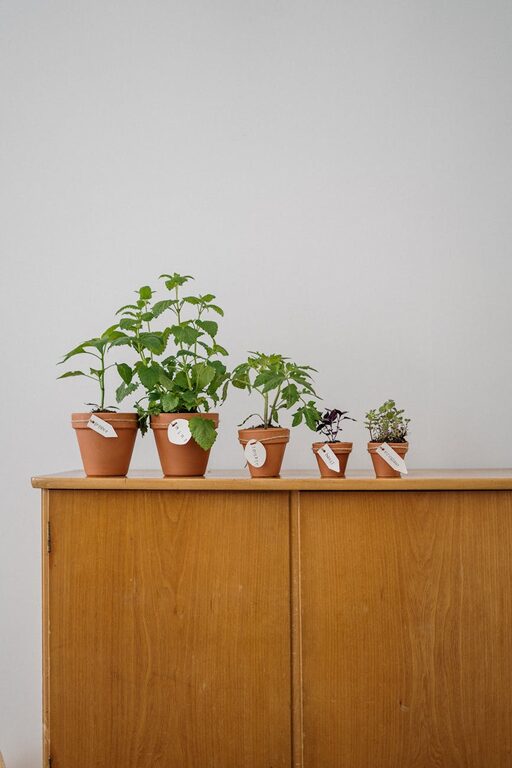
Starting an indoor herb garden is a fantastic way to bring fresh flavors into your kitchen while adding a touch of greenery to your home. Whether you have a spacious kitchen windowsill or just a small corner to spare, growing herbs indoors can be both enjoyable and practical.
In this guide, we’ll walk you through everything you need to know to start a small herb garden indoors—from choosing the right herbs to taking care of them daily.
Why Grow Herbs Indoors?
Before diving in, it’s worth noting the benefits of growing herbs inside:
– Freshness: Harvest herbs anytime for cooking.
– Cost-effective: Save money by growing your own.
– Space-saving: Perfect for apartment living or small homes.
– Air quality: Plants can improve indoor air.
– Therapeutic: Gardening indoors reduces stress.
With these benefits in mind, let’s start your journey to a successful indoor herb garden.
Choosing the Right Herbs for Indoor Growing
Not all herbs thrive indoors equally well. For beginners, it’s better to start with herbs that require similar care and are relatively low-maintenance.
Easy-to-Grow Indoor Herbs:
– Basil: Loves light and warmth; great for cooking.
– Parsley: Adaptable and mild-flavored.
– Mint: Vigorous grower, but can take over — keep in a separate pot.
– Chives: Hardy and resistant to pests.
– Thyme: Drought-tolerant and aromatic.
– Oregano: Prefers bright light and infrequent watering.
– Cilantro: Needs cooler temperatures; harvest often.
Choose 3-4 herbs based on your cooking preferences and the space you have.
Selecting Containers and Soil
Containers
You don’t need fancy pots to start. Simple containers with good drainage holes work best because herbs dislike sitting in waterlogged soil.
– Consider ceramic pots, plastic containers, or recycled items like mason jars (just ensure drainage).
– Smaller pots (4-6 inches deep) are fine since most herbs don’t have deep roots.
– Make sure the container fits your available indoor space.
Soil
Use a high-quality, well-draining potting mix made for indoor plants. Avoid garden soil, which might be too dense or contain pests.
Tip: Mixing some perlite or sand with potting soil can improve drainage.
Finding the Right Spot: Light and Temperature
Most herbs need about 6 hours of sunlight daily.
– A south-facing or east-facing windowsill is ideal.
– If natural light is limited, supplement with fluorescent or LED grow lights.
– Keep the temperature consistent between 65°F to 75°F (18°C to 24°C).
– Avoid placing herbs near heating vents or drafty windows.
Planting Your Herbs: Seeds vs. Starter Plants
You can start herbs from seeds or buy small starter plants from nurseries.
– Seeds: Cost-effective and available in bulk; may take longer and need more care.
– Starter plants: Faster results and less guesswork but more expensive.
If using seeds, follow the planting depth instructions on the packet. Keep soil moist but not soggy until germination.
Watering Your Indoor Herbs
Proper watering is key.
– Check soil moisture daily by inserting your finger about an inch into the soil.
– Water when the soil feels dry to the touch.
– Use room-temperature water to avoid shocking roots.
– Ensure excess water drains out; never let pots sit in standing water.
Tip: Herbs like thyme and oregano prefer slightly drier conditions than basil or mint.
Feeding and Fertilizing
Herbs don’t require heavy fertilizing, but occasional feeding helps.
– Use a balanced, water-soluble fertilizer diluted to half strength every 4-6 weeks.
– Over-fertilizing can reduce flavor intensity.
Pruning and Harvesting
Regular pruning encourages healthy growth.
– Pinch back the tips of herbs to promote bushiness.
– Harvest leaves from the top to avoid cutting too much at once.
– For best flavor, harvest in the morning after the dew has dried.
Dealing with Common Problems
Pests
Indoors, herbs can attract aphids, spider mites, or whiteflies.
– Inspect leaves regularly.
– Wipe leaves with a damp cloth.
– Use insecticidal soap if necessary.
Leggy Growth
If herbs grow tall and sparse, they may be stretching for light.
– Move plants to a brighter spot.
– Consider using grow lights.
Yellow Leaves
Could indicate overwatering or poor drainage. Adjust watering and check for blocked drainage holes.
Enjoying Your Indoor Herb Garden
Beyond cooking, use your herbs to:
– Make homemade herbal teas.
– Create fragrant kitchen decor.
– Gift fresh herbs to friends and family.
With a little care and attention, your small indoor herb garden will thrive and bring joy all year round.
Summary Checklist for Starting Your Indoor Herb Garden
- Choose 3-4 suitable herbs.
- Get containers with drainage.
- Use quality potting soil.
- Place herbs in a bright, warm spot.
- Water appropriately—don't overdo it.
- Fertilize lightly every few weeks.
- Prune regularly to encourage growth.
- Monitor for pests and address promptly.
Starting an indoor herb garden is a fun, rewarding project that anyone can do. Happy gardening!
